
What DIY weddings are really like
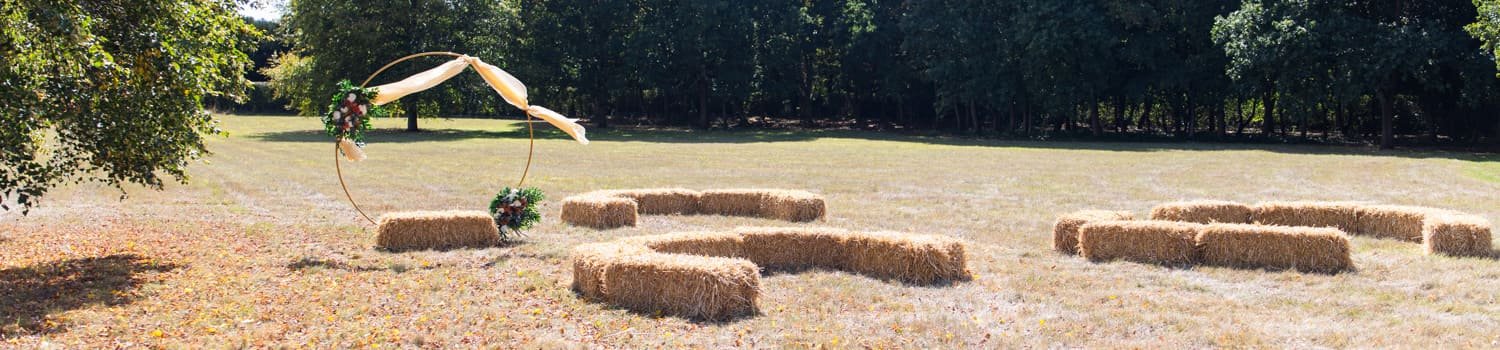
DIY weddings have become increasingly popular over the past few years, and it’s easy to see why. They offer something a little different; a chance to create a day that feels completely your own, in a setting that means something to you, surrounded by the people who matter most.
But what does a “DIY wedding” actually mean in practice?
And more importantly - how does it affect your day, your experience, and your photos?
What is a DIY wedding?
A DIY wedding is exactly what it sounds like - a wedding where you’re not relying on a traditional venue to provide structure, coordination, and support.
Instead of a venue with an on-site team managing the day, you’re building it yourselves.
That might look like:
A ceremony in a family garden or local church
A reception in a marquee or tipi
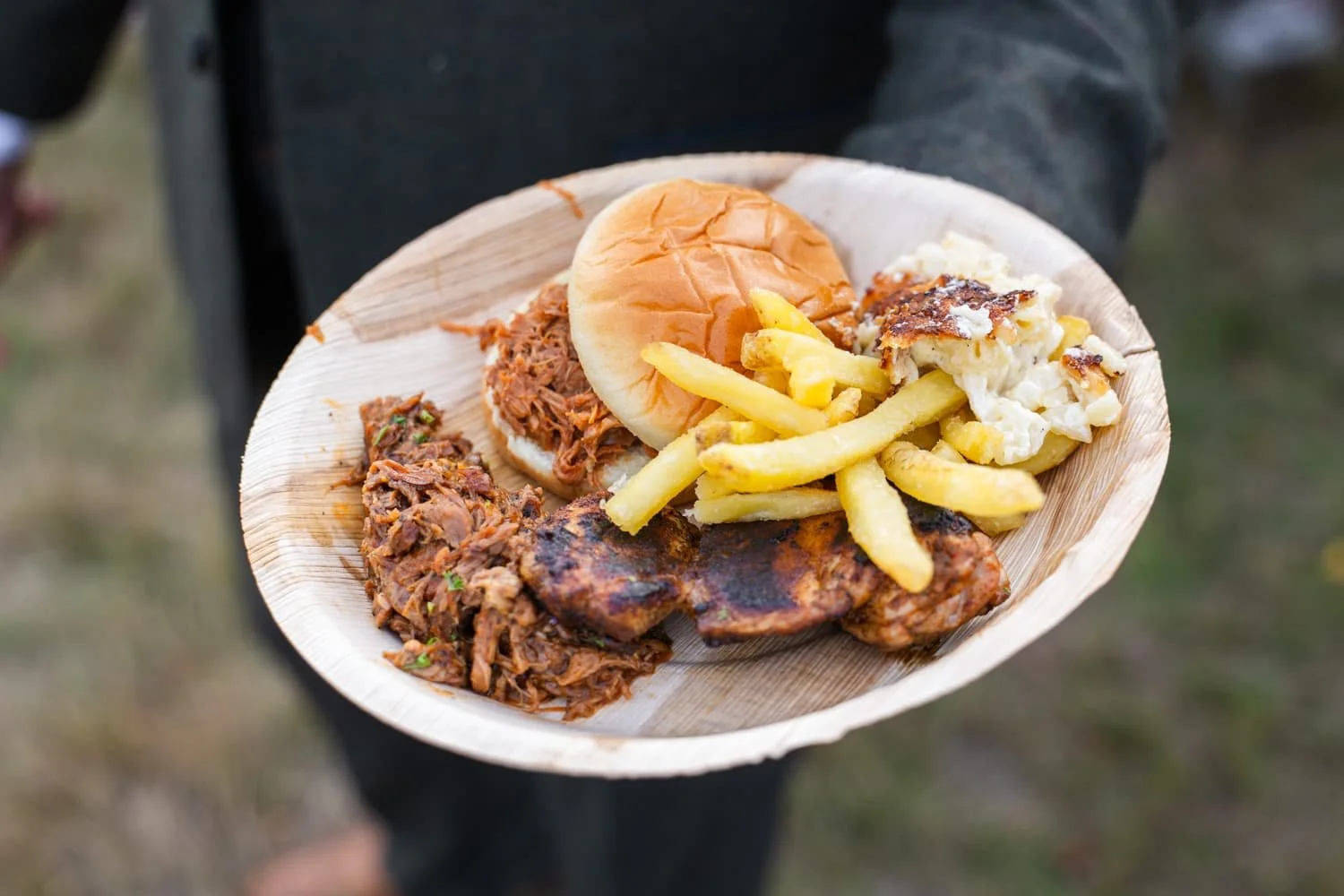
Food trucks instead of a traditional sit-down meal
Flowers, cakes, and decorations created by friends and family
It’s often more personal, more relaxed, and completely unique to you.
But with that freedom comes responsibility, because without a venue team, you are the ones holding everything together.
A beautiful idea… with a few realities
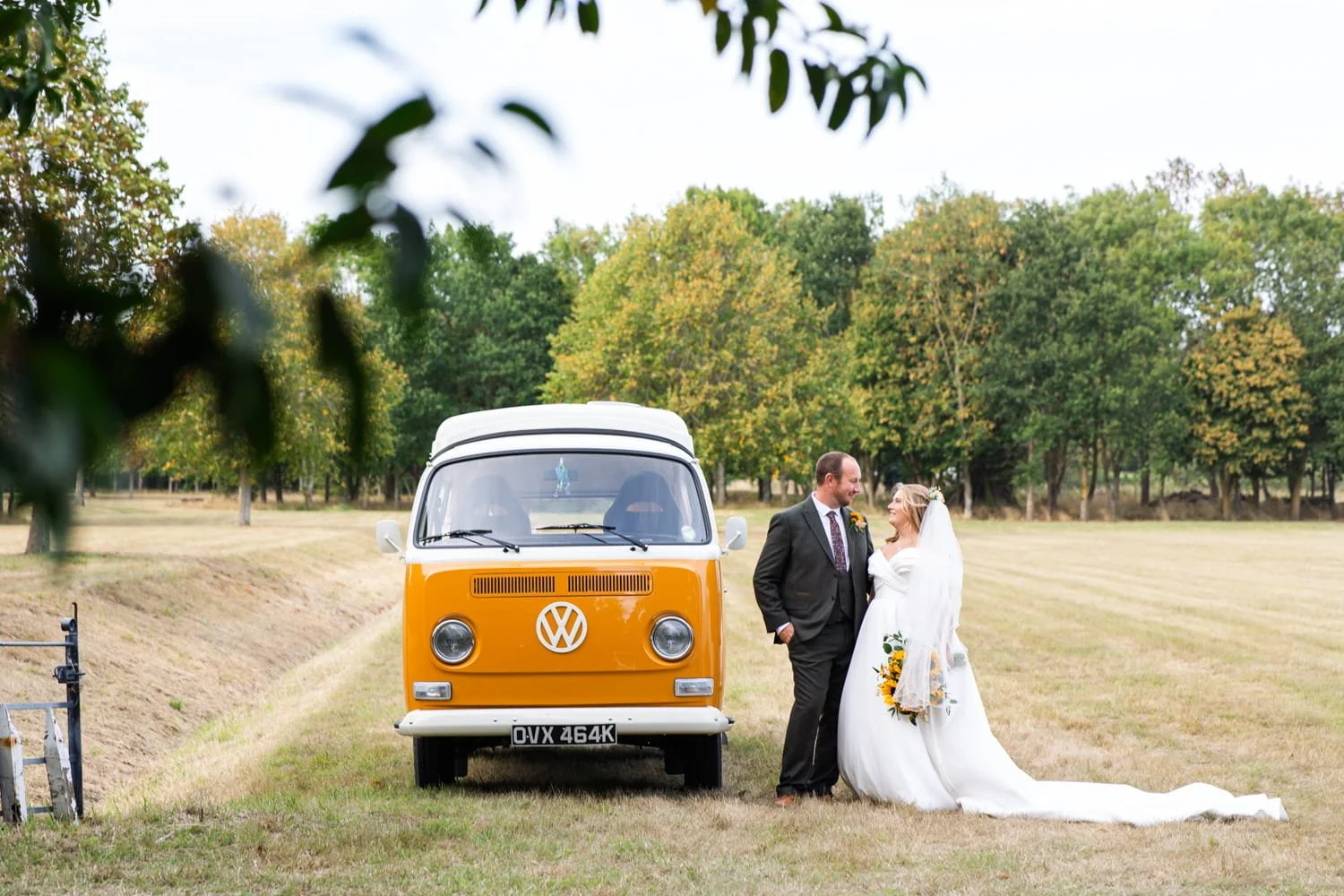
DIY weddings can be incredibly special. Some of the most meaningful days I’ve photographed have been in gardens, fields, and family homes. There’s a warmth to them - people pitching in, helping decorate, bringing their skills to the day. It often feels more like a shared celebration than a formal event. It makes me think of a village coming together in the olden times for a celebration.
But there’s another side to it too.
Without a co-ordinator or venue team, there’s no one behind the scenes making sure everything runs on time. No one managing suppliers, solving problems, or keeping things moving.
That role often falls to you… or your closest friends and family. And that’s where a bit of planning becomes essential.
The key to a relaxed day
One of the biggest misconceptions about DIY weddings is that “relaxed” means “no plan”. In reality, it’s the opposite. The most relaxed DIY weddings are the ones that have a thoughtful plan behind the scenes.
I often speak with couples before their timeline is finalised, helping them map out the day in a way that feels natural and unstructured - but still allows enough time for everything to happen.
Because without that, it’s very easy to underestimate things like:
How long photos take
Travel between locations
Time needed for food service
Or simply giving yourselves space to breathe
When there’s a plan in place, the day can flow effortlessly. Without one, it can start to feel rushed or a little chaotic.
Getting Ready
Getting ready for a DIY wedding isn’t hugely different from a traditional one. If your ceremony is at home or in a garden, it often all happens in one place, which can feel really relaxed and convenient. If you’re having a church ceremony, you’ll be getting ready elsewhere and travelling in.
Either way, it’s still that same mix of excitement, nerves, and anticipation - just in a setting that’s a bit more personal to you.
The Ceremony
DIY weddings often include celebrant-led or humanist ceremonies, which give you more flexibility and personalisation. I’ve also photographed plenty of church ceremonies followed by a DIY-style reception nearby.
If you’re planning an outdoor ceremony, it’s really worth taking a bit of guidance on positioning and timing - especially when it comes to the light. We all want a beautiful backdrop, but the light plays a huge part in how your ceremony looks and feels. If the sun is directly in your eyes, it’s not particularly enjoyable for you… and it won’t give you the most flattering photos either.
Thinking about where the sun will be at the time of your ceremony can make a big difference. Sometimes the best approach is to choose a spot based on the light first, and then enhance it with a floral arch or styling to create that “wow” moment. That way, you get the best of both - a setting that looks beautiful, and a ceremony that feels comfortable and relaxed for you both.
Portraits
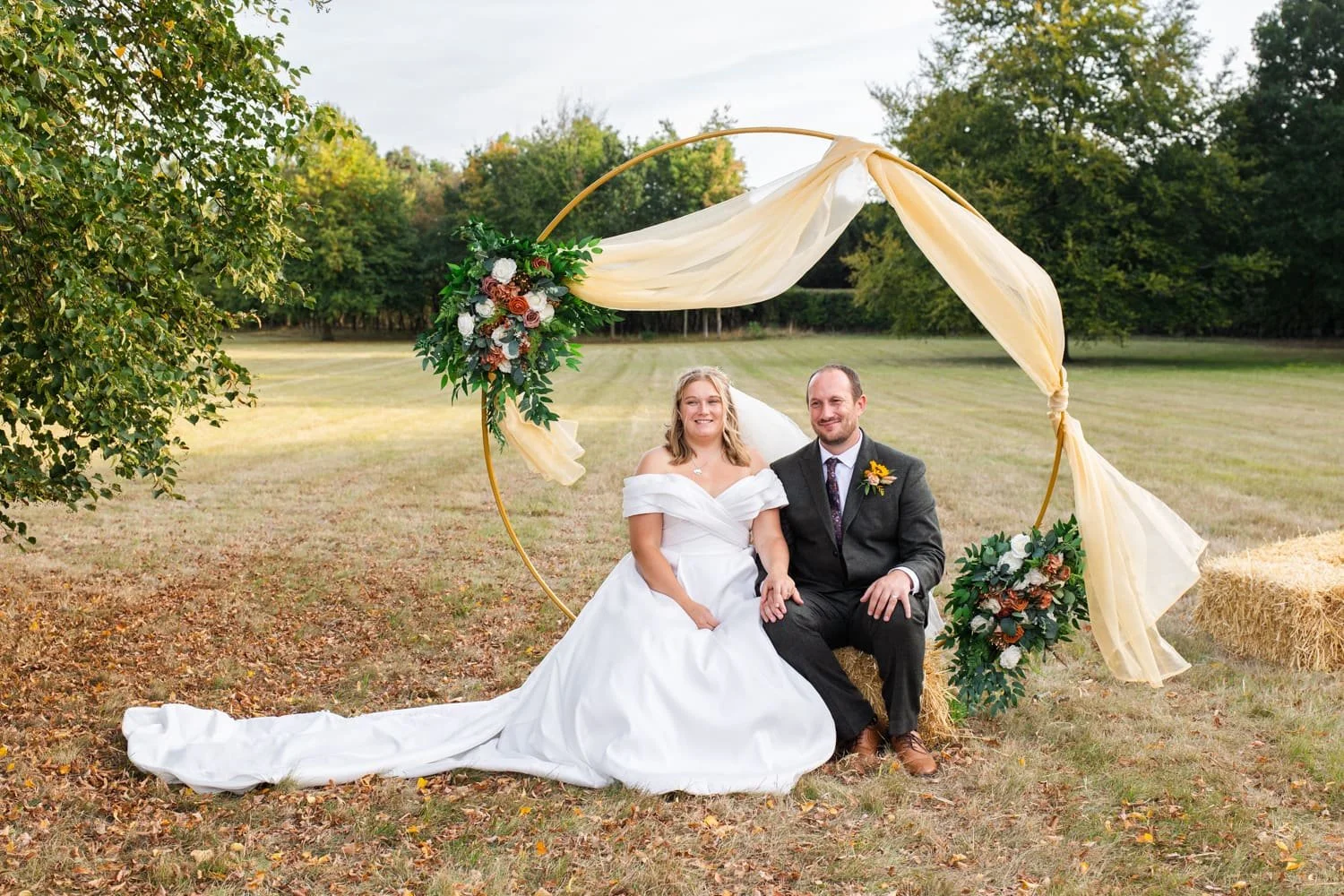
This is one of the biggest differences with DIY weddings. At traditional venues, the grounds are often landscaped and designed with photography in mind - a variety of backdrops, pathways, gardens, and spaces to explore.
With DIY weddings, especially in fields or family gardens, it can be a bit more simple - perhaps a line of trees, open space, or a single main area.
That doesn’t mean you won’t get beautiful photos, it just means I have to work a bit more creatively with what’s there. The good news is, most couples planning DIY weddings are less focused on lots of formal portraits and more focused on enjoying their time with guests.
The Reception
This is where DIY weddings really come into their own. You’ll often see:
Handmade or personalised details created by friends and family
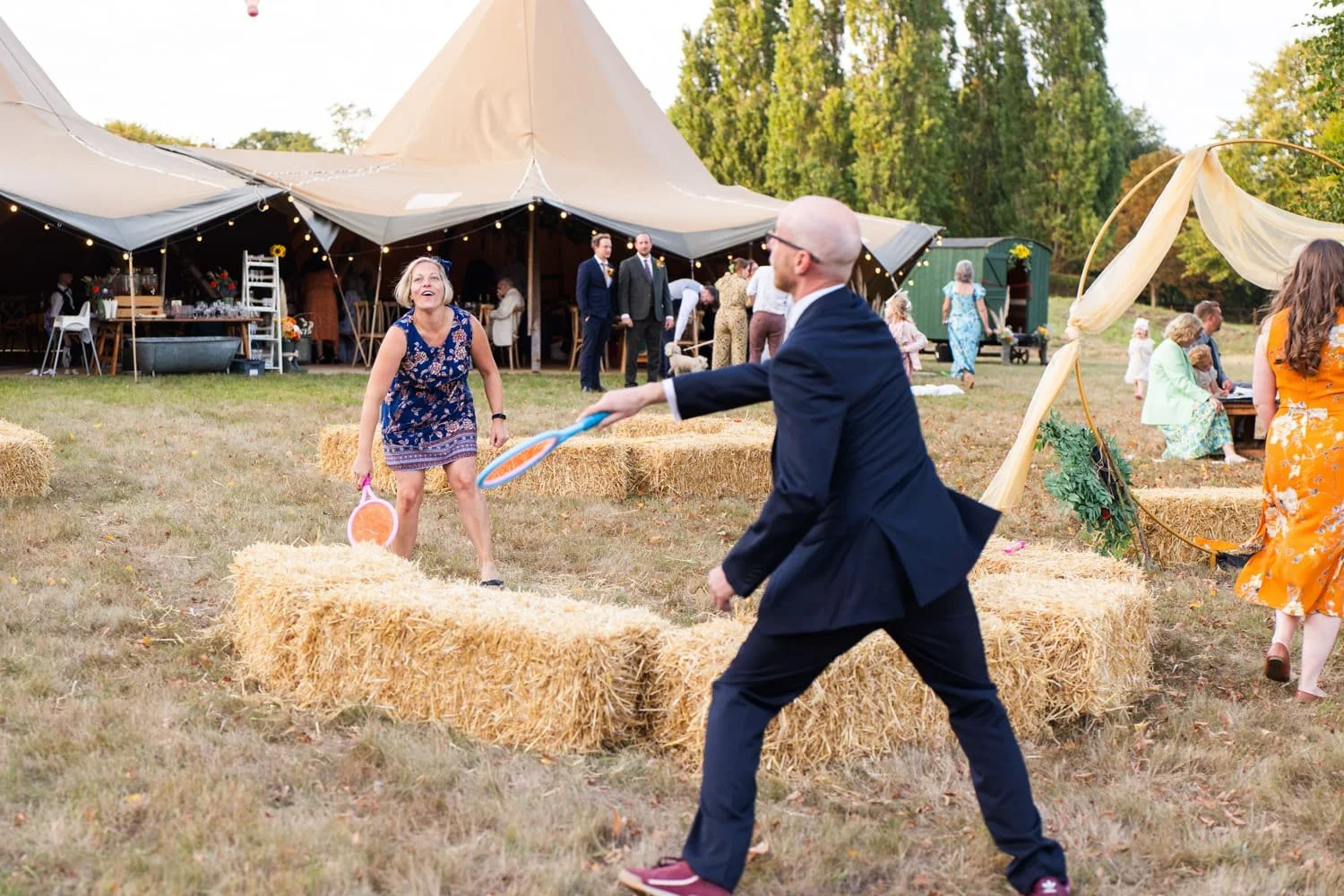
Unique entertainment like bouncy castles or garden games
Live bands and a really relaxed, sociable atmosphere
It’s these personal touches that make DIY weddings feel so special.
But this is also where the practical challenges can show up. Without a venue team, things like food service rely on external suppliers, and if something runs late or doesn’t go to plan, someone needs to step in and sort it.
I’ve seen situations where:
Food trucks arrive late
Power issues need resolving
Drink supply runs low
And instead of enjoying the day, the couple end up managing the problem. That’s why delegation is so important - speak with your wedding party beforehand so they can step in and help in the event of any problems.
Three things I always recommend for DIY weddings
1. Have a plan
You want your day to feel flexible and free-flowing but for that to happen, there needs to be a structure behind the scenes. Lean on your photographer or a wedding planner to help guide your timeline. It makes all the difference.
2. Delegate, delegate, delegate
You shouldn’t be the one solving problems on your wedding day. Assign responsibilities to trusted friends or family so things can run smoothly without you being involved.
3. Think about the practicalities
Two things that are often overlooked:
Water - especially in summer, make sure there’s enough for everyone. Alcohol is often a priority when planning a party, but providing water (especially for your suppliers) is vital.
Weather backup - if it rains, will there be enough space for guests, photos, and shelter?
Sometimes plans need to adapt, and that’s okay - just set expectations in advance so nothing feels like a disappointment.
Thinking about a DIY wedding?
If you’re planning a DIY wedding and want your day captured in a relaxed, natural way, while also having a bit of guidance on how to make it all flow, I’d love to hear more about your plans.
Written by Eleth Mageehan
First Written: 13th May 2026, Last Updated: 13th May 2026

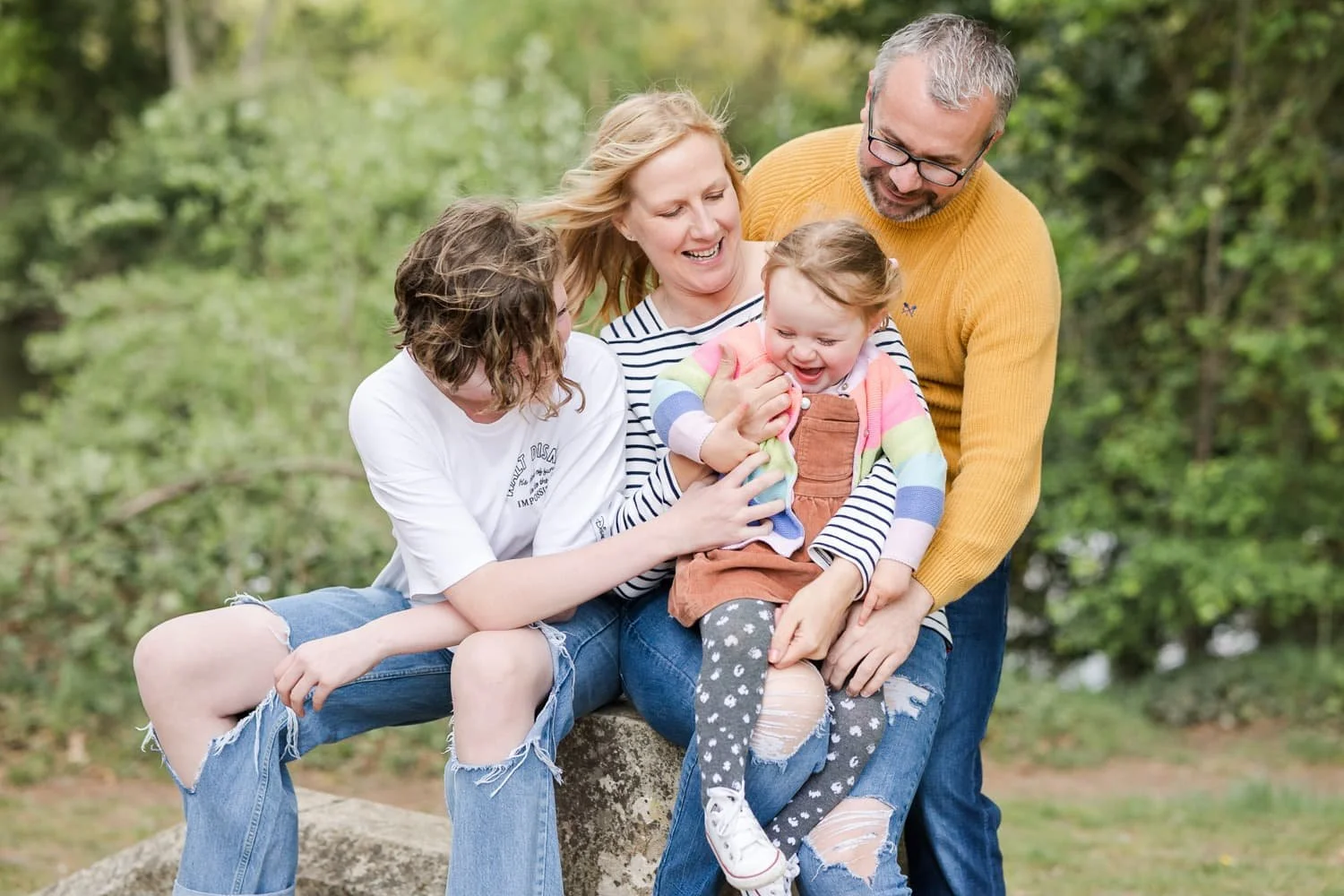
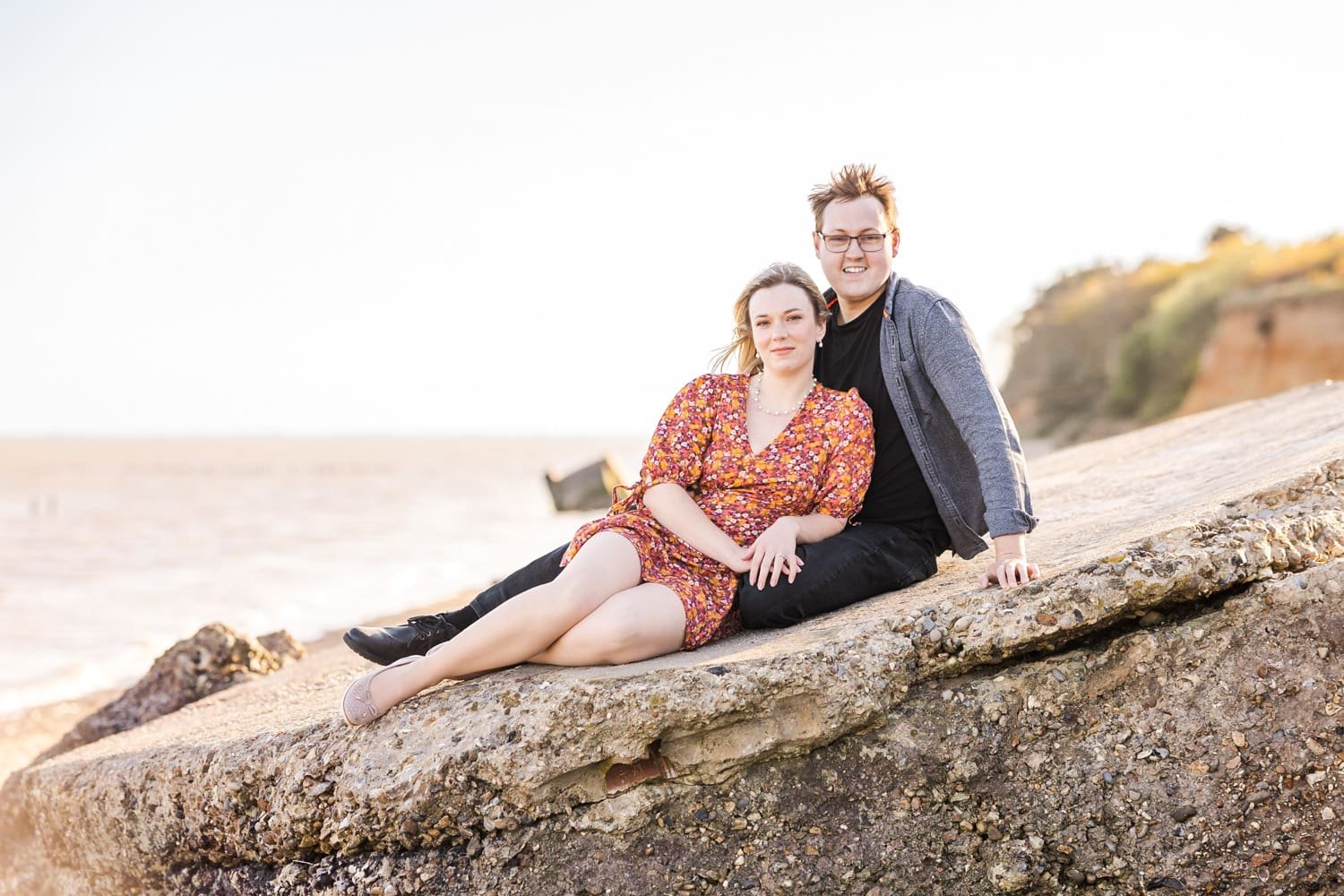

Bringing your children to your engagement session doesn’t just make for adorable photos – it beautifully represents the life you’re building together. Let's enjoy a trip out together, making fun memories while practicing having your photo taken before the big day.